


Gadchiroli pitched as Maharashtra’s future green steel hub India set to drive next global steel demand wave Italy crude steel output rises 3.1% in May Green steel progress remains slow worldwide
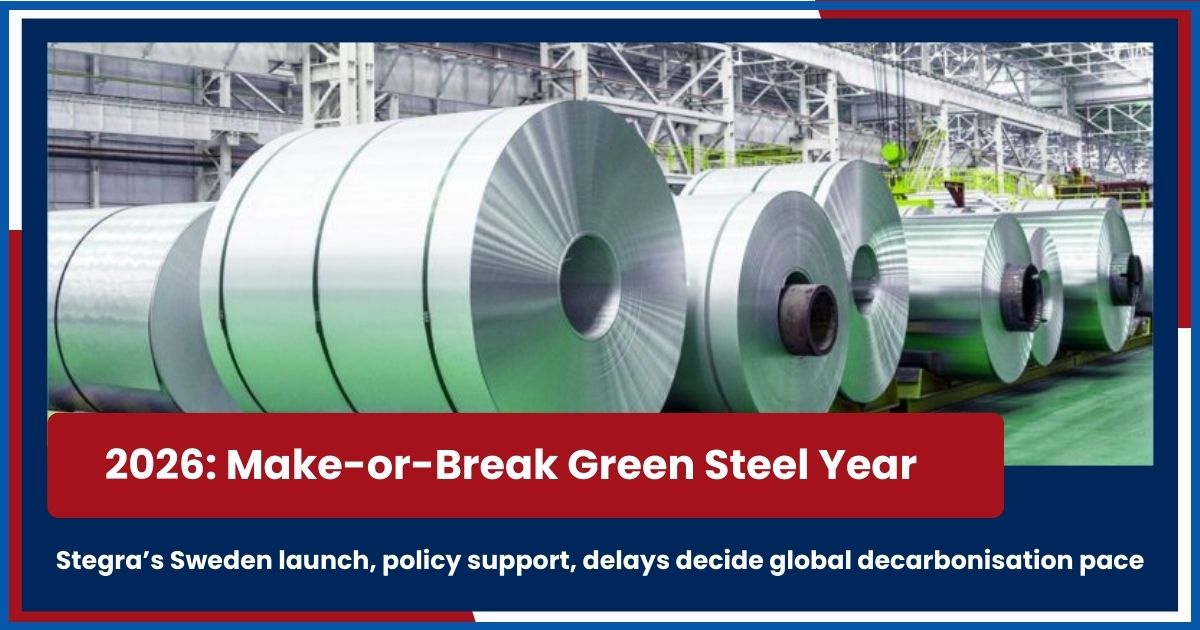
Green steel moves from bold promises to hard proof in 2026. After a surge of announcements in previous years, momentum slowed as costs stayed high, funding became tougher, and buyers hesitated to commit to long-term premiums. This year is shaping up as a real-world test of whether low-carbon steel can scale beyond pilot projects and into dependable, commercial supply.
A major spotlight is on Europe, where first-of-a-kind plants aim to produce steel using cleaner routes such as hydrogen-based ironmaking paired with electric arc furnaces. If these projects hit production targets and show stable quality, they could unlock more investment, strengthen supplier confidence, and push automakers, construction firms, and appliance makers to sign larger offtake deals.
But the risks are clear: project delays, power and hydrogen availability, grid constraints, and uncertain policy signals can quickly slow progress. Even with ambitious climate goals, green steel capacity remains small compared with global steel output, meaning the industry must scale fast to make a meaningful impact.For steelmakers, 2026 is about execution—proving that green steel can be produced reliably, priced competitively, and delivered at volumes customers can plan around.
Also Read : India seeks $26 billion of private nuclear power investments India Proposes Retaliatory Tariffs on U.S. Goods Over Steel Duties
Iron ore fell to its lowest level in more than six weeks, owing to concerns about the prospects for...
Ferrous 03-Jun-2024
Amid speculation that Elon Musk will visit Gujarat, a senior government official on Wednesday said t...
Large Corporate 10-Jan-2024
Yulu Bikes, an electric bike-sharing platform, has successfully secured $19.25 million ( ₹160 crore)...
Small Enterprises 23-Feb-2024
Oil & LNG prices are expected to increase significantly if Iran decides to block the Strait of H...
Business 22-Apr-2024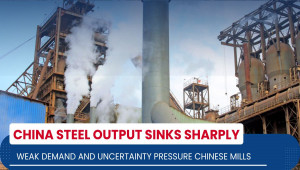
China’s crude steel production fell to an eight-year low in April, highlighting fresh pr...
China 18-May-2026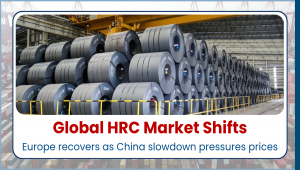
The global hot-rolled coil (HRC) market is witnessing a phase of mixed momentum, as European demand...
Europe 24-Oct-2025