


Tata Steel targets zero overseas debt by 2028 Thyssenkrupp Steel restarts Hot Strip Mill 4 at Duisburg Viraj Profiles accelerates stainless steel decarbonisation journey Electrical steel market set to reach USD 19.67 billion by 2032
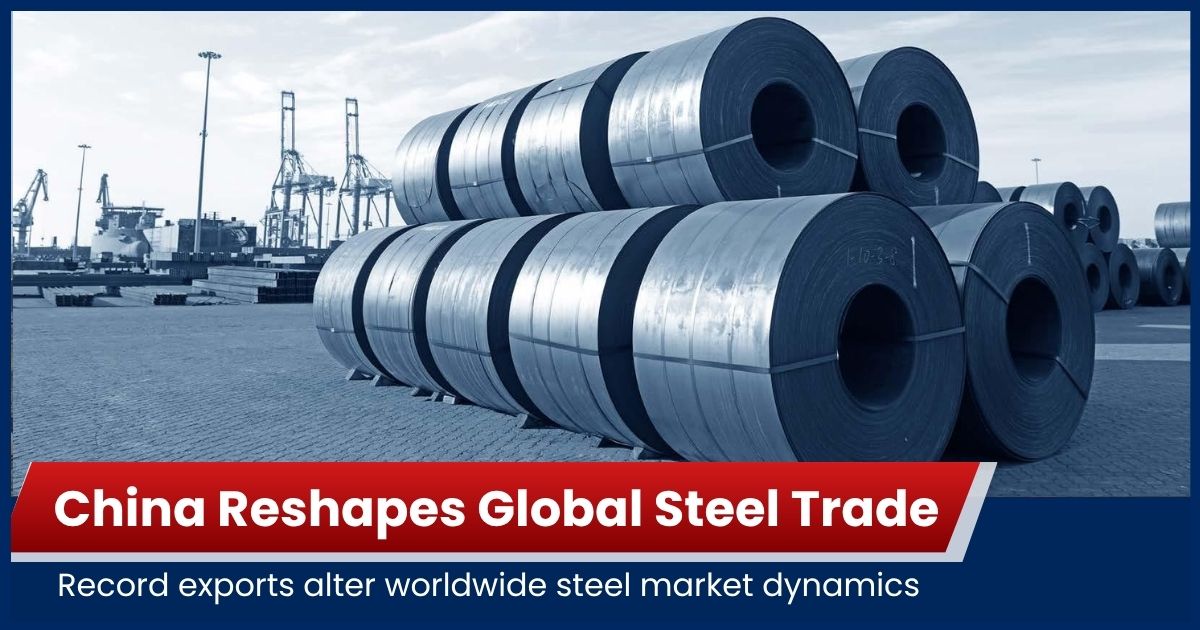
The OECD has reported a significant shift in global steel trade patterns, driven largely by China's record-high steel exports despite sluggish growth in overall world trade. As domestic demand in China remains under pressure, steel producers have increasingly turned to overseas markets, resulting in a surge in exports that is reshaping international trade flows.
According to the OECD, China's expanding presence in global steel markets has intensified competition for producers across multiple regions. The rise in exports has influenced pricing trends, trade balances, and market dynamics, prompting concerns among several countries regarding excess capacity and unfair competition.While global economic growth and manufacturing activity remain relatively subdued, China's steel shipments have continued to increase, highlighting the country's dominant role in the industry. The development has encouraged governments and trade authorities worldwide to closely monitor import levels and consider measures aimed at protecting domestic steel sectors.
Industry experts believe the trend could have far-reaching implications for steelmakers, traders, and policymakers. Increased trade flows may create opportunities for steel-consuming industries through competitive pricing, but they could also place pressure on producers facing higher import competition.As the global steel market adapts to evolving trade patterns, the OECD expects China’s export performance to remain a key factor influencing international steel demand, supply balances, and future trade policies.
Also Read : Chinese Steel Suspected Entering India via Nepal, Says Govt Zhongshou Special Steel Starts Up World’s Most Powerful Arvedi ESP Plant

Adani Enterprises, India's conglomerate, reported a substantial increase in its third-quarter profit...
Large Corporate 01-Feb-2024
Global liquefied natural gas (LNG) demand will grow in 2024 with top buyer China back in the market...
Europe 28-Feb-2024
· EU proposes 25% retaliatory tariffs on select US imports. · Move trigge...
Business 08-Apr-2025
Tata Steel might invest more in its Port Talbot plant in the UK if the government provides additiona...
Large Corporate 01-Feb-2024
The Indian Railways maintained its record-breaking goods loading in May 2024, surpassing the anticip...
Logistics 05-Jun-2024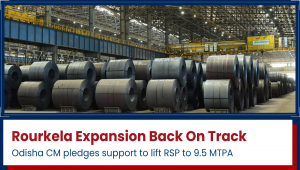
Odisha Chief Minister Mohan Charan Majhi has assured full support for the long-pending expansion of...
Construction 19-Nov-2025