


Gadchiroli pitched as Maharashtra’s future green steel hub India set to drive next global steel demand wave Italy crude steel output rises 3.1% in May Green steel progress remains slow worldwide
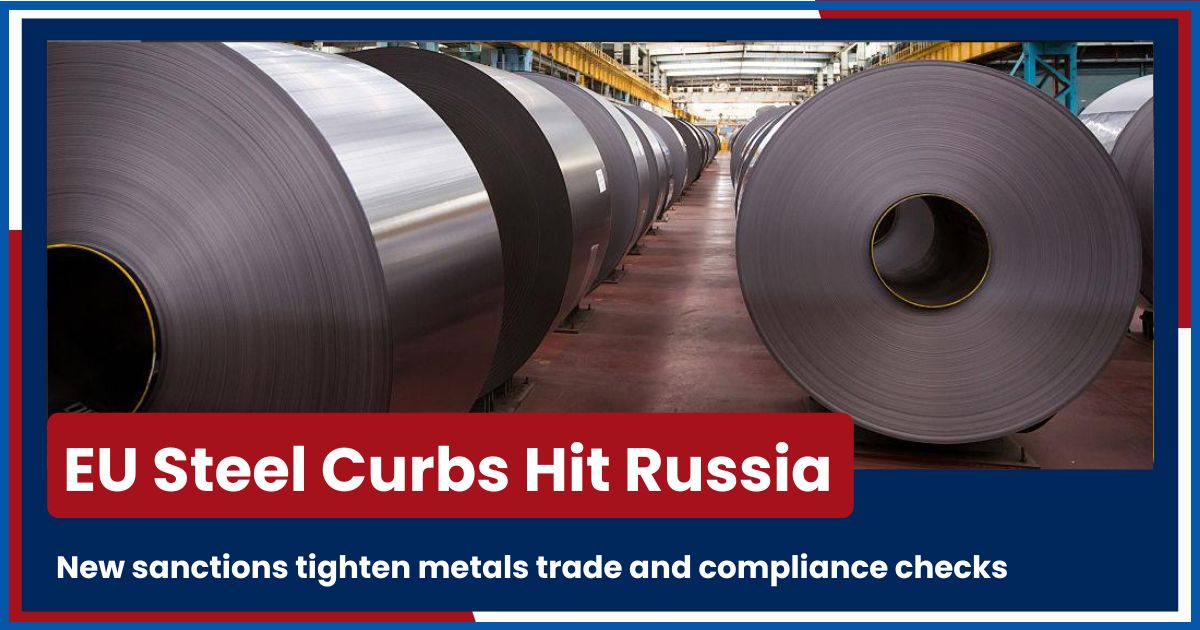
The European Union has adopted its 20th sanctions package against Russia, adding fresh pressure on steel-linked trade, raw materials, and industrial supply chains. The latest measures target imports of certain metals, minerals, steel scrap, chemicals, and other goods that may generate revenue for Russia. The new import restrictions are valued at more than €570 million.
For the steel industry, the package is significant because it expands controls on steel scrap, steel articles, metal production tools, and products linked to possible sanctions circumvention. Export bans have also been widened to cover selected steel-made articles and tools used in metal production.
The EU has also strengthened anti-circumvention checks, including restrictions on exports of high-risk goods to Kyrgyzstan over re-export concerns. Although the measure mainly covers CNC machines and radio equipment, it matters for steel and machinery markets as CNC machines are widely used in metalworking.Steel importers, exporters, and traders may now face stricter due diligence requirements on origin, routing, end-use, and counterparties. While the package does not impose a complete new ban on all Russian steel products, it further tightens the compliance net around Russia-linked metals trade.
Also Read : German Steel Sector Struggles Amid Weak Demand and High Energy Costs Thyssenkrupp Extends Isbergues Production Cut Amid Import Pressure
The Indian Chamber of Commerce (ICC) has urged that the government reduce customs tariffs in a varie...
Notification 17-Jul-2024
Researchers have developed a new eco-friendly cardanol-based polyurethane (PU) coating that provides...
Construction 16-Oct-2025
Abhyuday Jindal, Managing Director of Jindal Stainless Ltd (JSL), has urged the government to elimin...
Large Corporate 22-Jan-2024
For the next six months, the government has extended the deadline for industries engaged in the mini...
Non-Ferrous 06-Feb-2024
A panel of Indian ministry officials has proposed for a greater carbon tax on higher-quality importe...
Renewables 07-Mar-2024
India plans to reduce equity investment to $1.8 billion in 2023/24 to support...
Energy 08-Jan-2024