


Gadchiroli pitched as Maharashtra’s future green steel hub India set to drive next global steel demand wave Italy crude steel output rises 3.1% in May Green steel progress remains slow worldwide
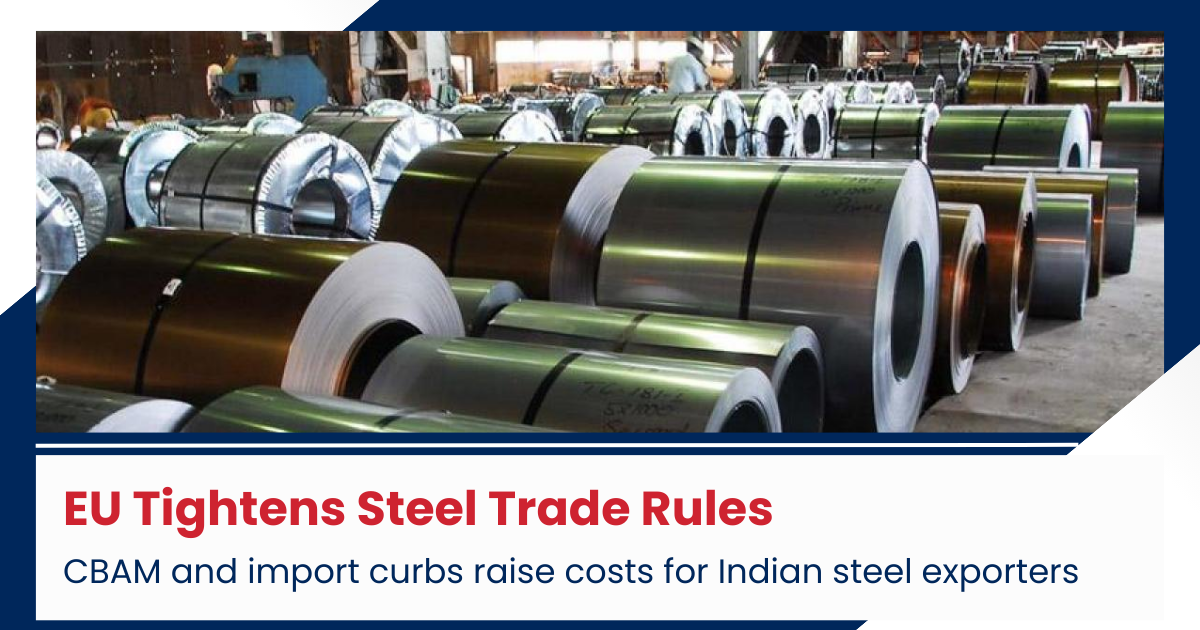
Europe is tightening market access for steel imports through a twin push on carbon compliance and trade protection, creating a tougher runway for exporters such as India. From January 1, 2026, the EU’s Carbon Border Adjustment Mechanism (CBAM) begins imposing carbon-linked costs on imports including steel, with payments tied to the EU carbon price. Indian producers—many of whom rely heavily on blast furnace routes expect pressure on margins and volumes unless emissions intensity falls.
On December 17, 2025, the European Commission proposed expanding CBAM coverage to more downstream products that use significant steel and aluminium, and tightening enforcement to deter “workarounds,” including applying default emissions values if firms are seen under-reporting embedded emissions. The package also proposes using a share of CBAM revenue to support decarbonising EU industry.
In parallel, the EU is moving to replace its steel safeguard regime (due to expire June 30, 2026) with a new framework aimed at countering global overcapacity. Earlier proposals include sharply reducing tariff-free import space and raising out-of-quota tariffs, which would further constrain export opportunities.
Also Read : EU Pushes Back Industrial Accelerator Act Amid “Made in Europe” Divide EUROFER warns CBAM fixes still fall short of protecting EU steel
The Centre intends to transfer additional mineral blocks to State governments for auction to lower i...
Raw Material 24-Jan-2024
Elon Musk, CEO of Tesla Inc., announced plans to buy chips from Advanced Micro Devices Inc. (AMD) as...
Large Corporate 27-Jan-2024
✅ Novartis CEO monitoring US reciprocal tariff policy’s impact.✅ Tariffs could affect drug p...
USA 17-Mar-2025
A European Union plan to impose tariffs on high-carbon imports could hurt developing countries in As...
Asia 26-Feb-2024
Larsen & Toubro Ltd. and Kalpataru Power have emerged as the lowest bidders for Saudi Aramco's M...
Oil & Gas 23-Feb-2024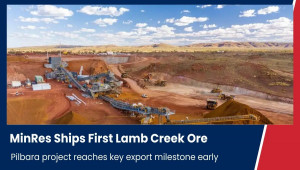
Mineral Resources has reported the first iron ore shipment from its Lamb Creek project in Western Au...
Australia 18-Mar-2026