


Gadchiroli pitched as Maharashtra’s future green steel hub India set to drive next global steel demand wave Italy crude steel output rises 3.1% in May Green steel progress remains slow worldwide

Steel consumption hit 1.2 million tons in Jan–Apr 2025.
Domestic production up 30.5% y-o-y.
Imports made up 34.9% of market share.
In the first four months of 2025, Ukraine's consumption of steel products (rolled and semi-finished) reached approximately 1.2 million tons, marking a significant increase compared to the same period in 2024. This growth reflects a resurgence in domestic demand, driven by ongoing reconstruction efforts and industrial activities.
According to data from Ukrmetallurgprom, domestic steelmakers produced 1.97 million tons of rolled products during this period, up 30.5% year-on-year. Exports accounted for 1.32 million tons, representing a 108% increase compared to the previous year. The domestic market received 655 thousand tons of rolled and semi-finished products, a 25.4% decrease year-on-year, indicating a shift in focus towards export markets.
Imports also played a significant role, with 351.6 thousand tons of steel products imported, up 10% compared to January–April 2024. Imports accounted for 34.9% of the domestic rolled steel consumption market, with flat products dominating the import structure at 82.88%, compared to long products at 15.27%.
The European Union remained the primary export market for Ukrainian rolled steel, accounting for 69.6% of exports, followed by other European countries (12.4%) and Africa (7.7%). Among steel importers, other European countries led with 61.3%, followed by the EU (24.7%) and Asian countries (13.8%).
This uptick in steel consumption and production underscores the resilience of Ukraine's steel industry amid ongoing challenges, including infrastructure damage and workforce shortages due to the conflict. The industry's ability to adapt and meet both domestic and international demand signals a positive trajectory for the sector in 2025.
Also Read : Indian Oil, Panasonic Energy enter pact to make lithium cells Tata Steel Launches Its First Scrap-Based EAF in India at Ludhiana
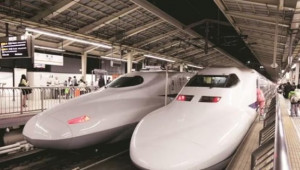
Union Railways and IT Minister Ashwini Vaishnaw mentioned that significant work has been made in bui...
Construction 23-Apr-2024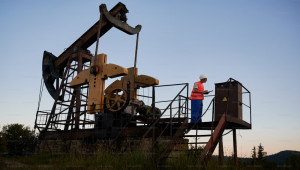
The price of domestic natural gas has been increased to $8.17 per million metric British therm...
Notification 29-Feb-2024
Bansal Wire Industries, a steel wire manufacturer, has submitted draft papers to the Securities and...
Mid Corporate 20-Jan-2024
Interarch Building Solutions has secured a new pre-engineered steel building (PEB) project valued at...
Business 09-Jun-2026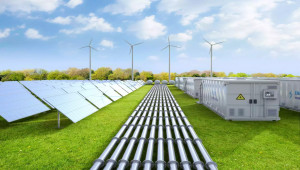
IndiGrid has declared that it received the Letter of Intent (LOI) from Gujarat Urja Vikas Nigam (GUV...
Renewables 15-Mar-2024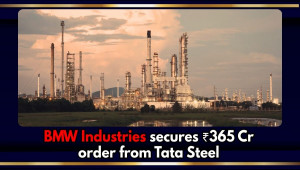
BMW Industries secures ₹365 Cr order from Tata Steel for HR coil conversion. Contract valid until O...
Business 21-May-2025