


Gadchiroli pitched as Maharashtra’s future green steel hub India set to drive next global steel demand wave Italy crude steel output rises 3.1% in May Green steel progress remains slow worldwide
✔ Indian steel, auto, and textile sectors face export challenges
✔ U.S. domestic industries and competing exporters may gain from the tariff
✔ India may negotiate or impose countermeasures to balance trade impacts
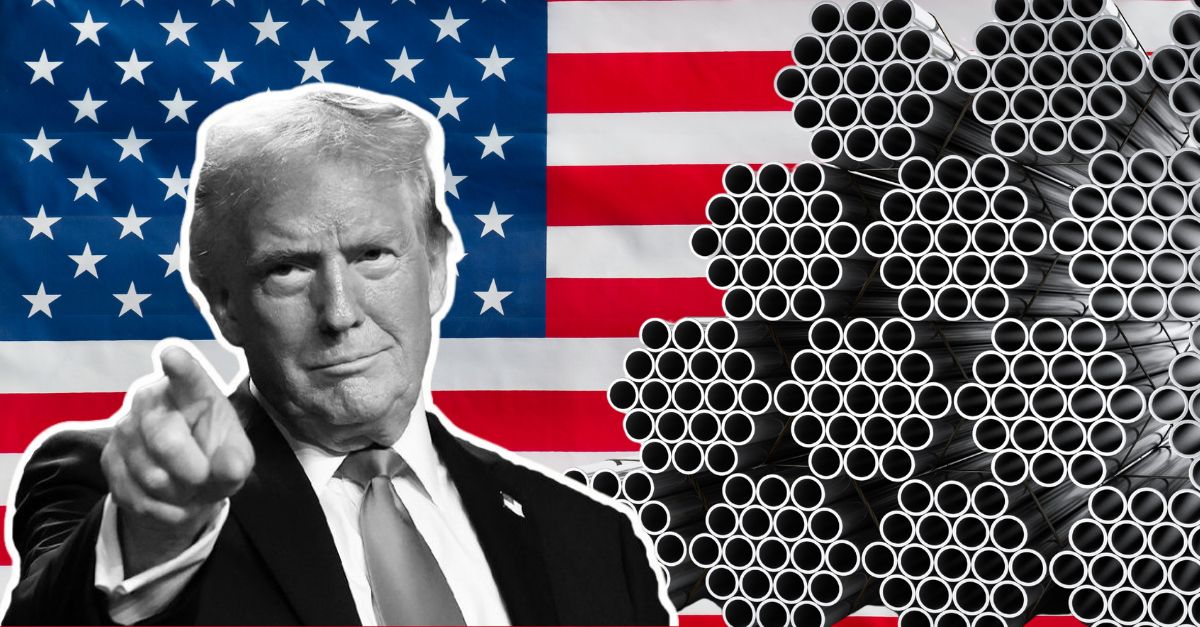
The recent announcement by former U.S. President Donald Trump regarding a potential 26% tariff on Indian exports has sent shockwaves through global trade circles. The proposed tariff, primarily targeting Indian steel, aluminum, and manufactured goods, could have wide-ranging effects on industries both in India and the U.S.
Indian steelmakers, auto component manufacturers, and textile producers are among the hardest hit. The U.S. remains a key market for Indian exports, and a sharp increase in tariffs may erode profit margins, reduce competitiveness, and force exporters to seek alternative markets such as the EU and Southeast Asia.
Steelmakers, in particular, are vulnerable as India exports a significant portion of its flat steel and alloyed products to the U.S. The tariff could dampen export volumes, leading to a supply glut in the domestic market and downward pressure on steel prices.
U.S. domestic steelmakers stand to gain as higher import costs may encourage local buyers to source from American producers.
Countries like Vietnam, Mexico, and Brazil may fill the gap in the U.S. market left by expensive Indian exports.
India’s domestic manufacturing sector could see increased availability of raw materials, potentially reducing costs for local infrastructure projects.
Indian trade associations are lobbying for negotiations with the U.S. to mitigate the impact or secure exemptions for critical industries. The Indian government is also exploring countermeasures, including possible retaliatory tariffs on U.S. goods.
Also Read : Record US renewable energy investment falls short of climate goals Union Pacific, Rocky Mountain Steel Mills Ink 7-Year Rail Supply Pact
The index of mineral production for the month of March 2024 was 156.1, which is 1.2% higher as compa...
Energy 03-May-2024
Tata Steel’s board has reaffirmed its long-term growth roadmap for India and approved a series...
Construction 16-Dec-2025
Advance Steel Tubes reported a standalone net profit of Rs 0.02 crore for the December 2024 quarter,...
Business 28-Feb-2025
The Ministry of Steel has convened a stakeholders meeting this week to deliberate on the rising volu...
Construction 23-Oct-2025
Chinese solar panel manufacturers are seeking immediate government intervention to limit investment...
China 12-Jun-2024
✔ Stronger Domestic Industry: Government contracts to favor locally produced steel.✔ Reciprocity Cla...
Business 03-Apr-2025