


Gadchiroli pitched as Maharashtra’s future green steel hub India set to drive next global steel demand wave Italy crude steel output rises 3.1% in May Green steel progress remains slow worldwide
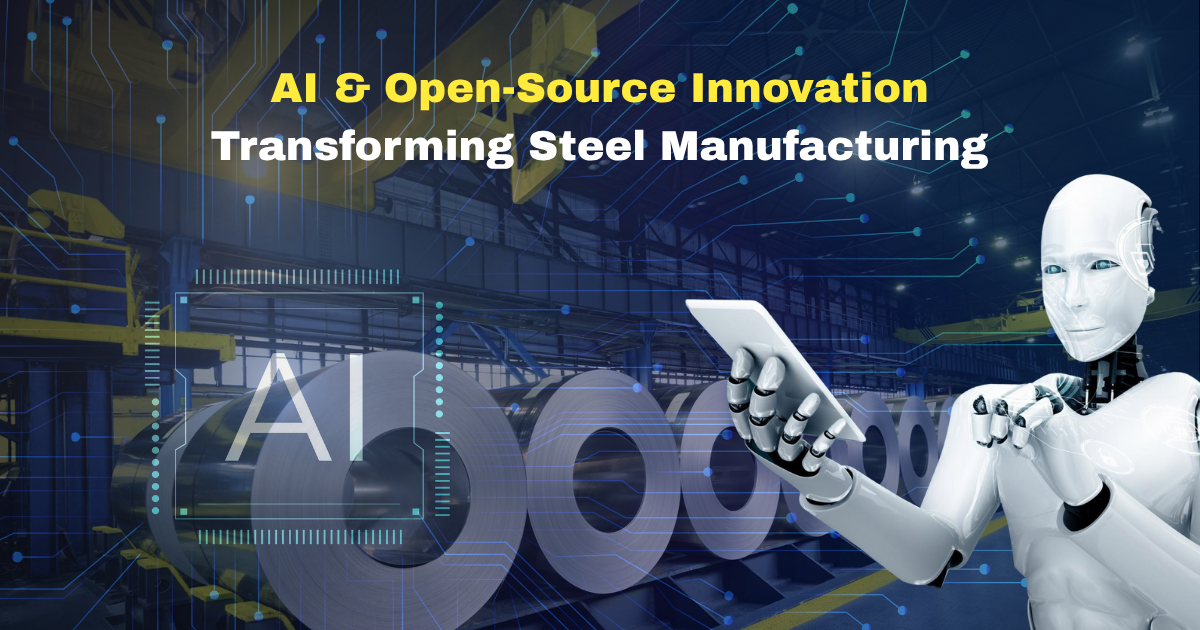
The steel industry is undergoing a digital transformation powered by artificial intelligence (AI) and open-source innovation. By integrating AI technologies across manufacturing workflows, companies are enhancing efficiency, product quality, and operational reliability.
One of the key breakthroughs is AI-driven quality control. Using advanced computer vision and machine learning, steel manufacturers can now detect defects in real time during production. This minimizes waste, reduces rework, and ensures consistently high-quality output.
Predictive maintenance is another major advancement. AI algorithms analyze equipment sensor data to anticipate mechanical failures before they happen, significantly reducing unplanned downtime and improving asset life.
What sets this transformation apart is the growing reliance on open-source AI platforms. These tools offer accessible, scalable solutions that allow even mid-sized and smaller manufacturers to integrate cutting-edge technology without massive investment. Open-source frameworks also foster collaboration, knowledge-sharing, and continuous improvement across the industry.
As global demand for smarter, greener manufacturing grows, the fusion of AI with open-source tools positions the steel industry to meet the future with agility, efficiency, and resilience.
This shift reflects a broader trend toward digital-first operations and marks a pivotal moment in the evolution of industrial manufacturing.
Also Read : Bokaro Steel Plant expansion talks pick up pace; capacity targeted at 7.55 MTPA Construction of bridge connecting Infiniti Mall and Lagoon road to commence soon
India’s finished steel consumption recorded a healthy 7% growth in FY26, reflecting sust...
Business 08-Apr-2026
The standing committee of the State Board for Wildlife (SBWL) has issued a firm 'no' to the proposed...
Ferrous 01-Feb-2024
Rising coal production from captive and commercial mines, estimated to reach 140 million tonnes (MT)...
Announcement 20-Mar-2024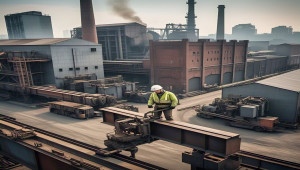
The global steel market is experiencing heightened volatility as fluctuating demand and supply const...
Construction 15-Feb-2025
Former U.S. President Donald Trump's decision to reinstate tariffs on steel imports is raising conce...
Raw Material 21-Feb-2025
Reliance Industries Limited Chairman Mukesh Ambani declared a series of substantial investments in G...
Large Corporate 10-Jan-2024