


Gadchiroli pitched as Maharashtra’s future green steel hub India set to drive next global steel demand wave Italy crude steel output rises 3.1% in May Green steel progress remains slow worldwide
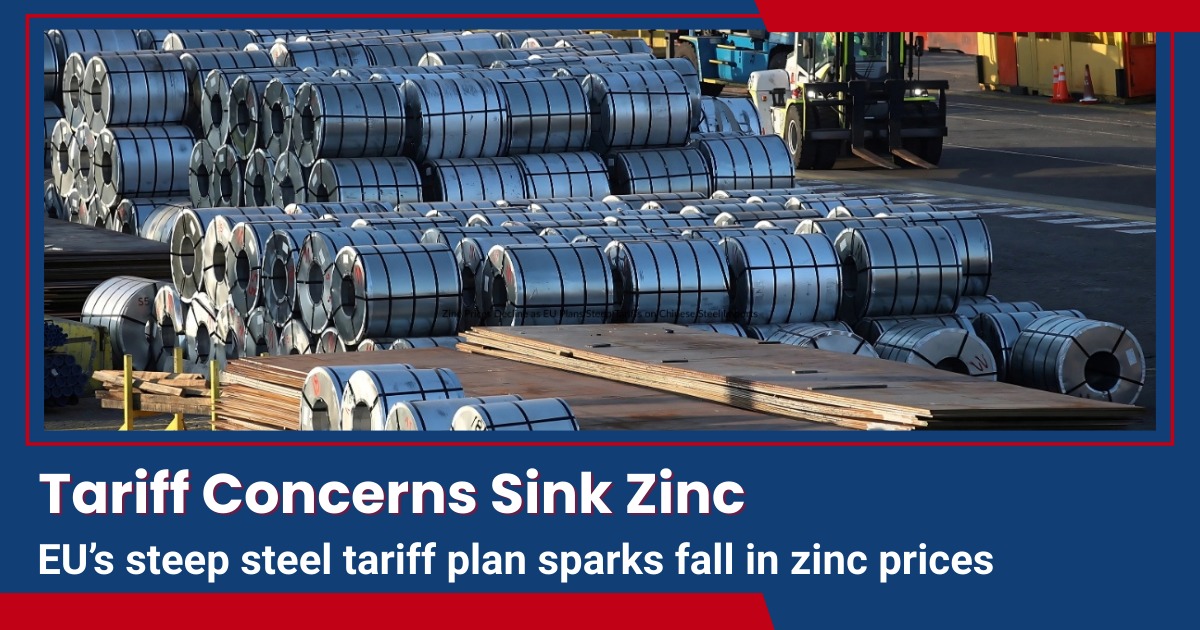
Zinc prices slipped in global commodity markets after reports emerged that the European Union (EU) is preparing to impose tariffs of up to 50% on Chinese steel imports. The decision is part of the EU’s broader strategy to safeguard its domestic steel producers from the twin pressures of global oversupply and the high costs of decarbonisation.
The news triggered concerns of reduced demand for industrial metals, particularly zinc, which is widely used in galvanised steel production. Analysts said that any potential slowdown in steel trade flows could weigh on zinc consumption, leading to the observed price correction.
China’s steel exports are projected to reach 115–120 million tonnes in 2025, close to record highs, and have become a flashpoint in global trade tensions. By preparing steep tariffs, the EU aims to curb dumping practices while encouraging investment in low-carbon, sustainable steel production within Europe.
The move also reflects the EU’s efforts to balance its climate goals with industrial competitiveness, as it accelerates the transition to greener technologies. For commodity markets, however, the uncertainty has translated into volatility, with zinc being one of the most immediate casualties.
Also Read : Germany to invest in green hydrogen by 2036 EU Trade Committee Greenlights New Steel Tariffs and Import Quotas
Factory Activity Slows – India’s manufacturing growth dipped to a 14-month low in Februa...
Business 03-Mar-2025
JSW Steel is currently engaged in discussions to purchase a 20% stake in an Australian coal mine own...
Large Corporate 19-Feb-2024
Iron ore futures trimmed early gains on Wednesday, struggling to find a clear direction as market co...
Ferrous 20-Jun-2024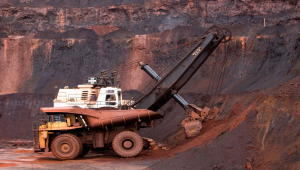
Justices Nitin Sambre and Abhay Mantri of the Bombay High Court's Nagpur bench have postponed the tr...
Business 19-Feb-2024
According to the Union Minister Pralhad Joshi, the coal ministry is geared up to fulfill the 874 mil...
Notification 13-Mar-2024
POSCO, a South Korean steelmaker has started construction of a 2.5 million tonne per annum electric...
Ferrous 08-Feb-2024