


Gadchiroli pitched as Maharashtra’s future green steel hub India set to drive next global steel demand wave Italy crude steel output rises 3.1% in May Green steel progress remains slow worldwide
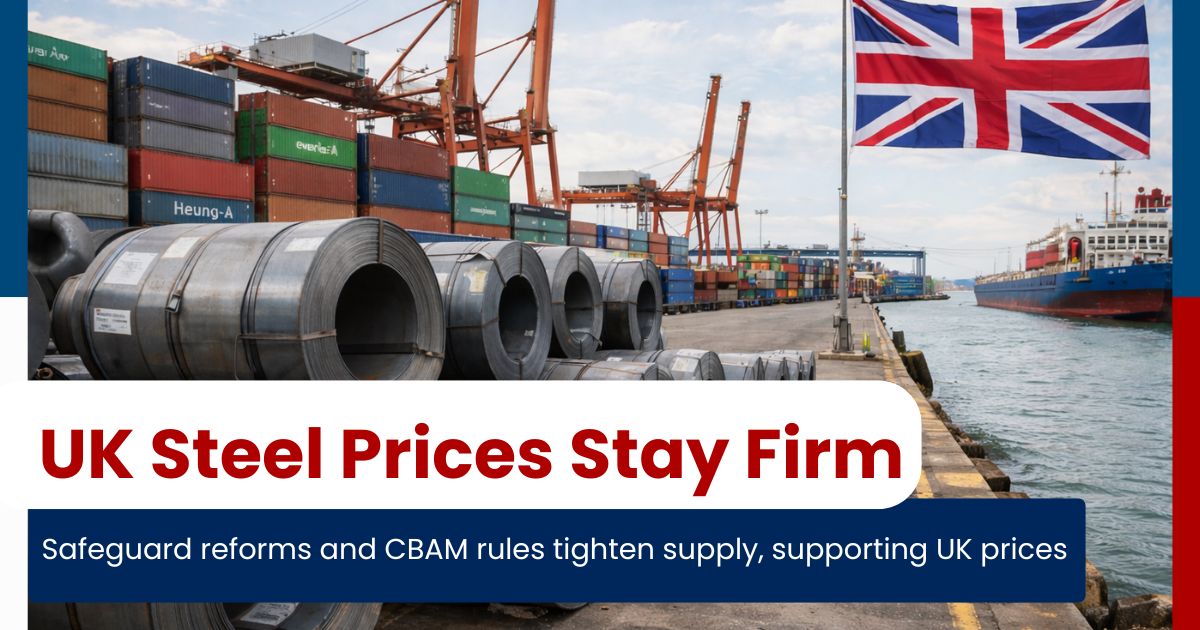
UK steel prices are staying firm as major policy changes begin to reshape supply and buying behaviour. With import safeguard rules under review and carbon-related border costs becoming a bigger factor, the market is bracing for tighter availability—especially in long products used across construction and manufacturing.
Trade participants expect faster quota utilisation and reduced import flexibility, which can lift replacement costs and keep domestic mill offers supported. At the same time, higher scrap prices, elevated energy bills, and steadier freight rates are adding pressure across the supply chain. Short-term outages and uneven production schedules can further squeeze lead times, making spot availability less predictable.
For buyers, the message is practical: plan purchases earlier, track quota movements closely, and build clearer price-escalation terms into contracts. For sellers and stockists, shifting trade flows and policy-driven pricing may create opportunities, but also demand tighter risk control on forward selling.Overall, the outlook points to policy—not pure demand—playing a bigger role in UK steel pricing, with potential for further increases if import barriers rise and carbon compliance costs expand.
Also Read : Sarralle to Supply New Meltshop for UMB Steel’s Romania Project Reducing The Impact: EU-India Deal Eases Carbon Tax Burden on Exporters

Tata Steel has partnered with Google Cloud to roll out a large-scale agentic AI program across...
Business 22-Apr-2026
Thyssenkrupp Steel has resumed trial operations at Hot Strip Mill 4 (HSM 4) in Duisburg, Germany, ma...
Europe 05-Jun-2026
Indian engineering goods, electronic goods, and pharmaceutical items showed an increase in their yea...
Business 22-May-2024
Two new coal mines with a cumulative PRC of 7.5 million tonne (MT) have started producti...
Press Releases 01-Feb-2024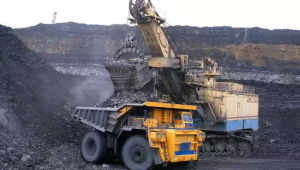
Union Minister G Kishan Reddy awarded Maiki South Mining Private Limited the country's first lithium...
Notification 25-Jun-2024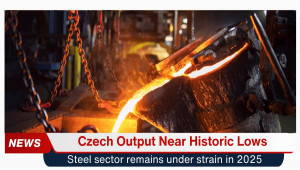
The Czech Republic produced 2.43 million tons of steel in 2025, with output staying near histo...
China 18-Mar-2026