


Gadchiroli pitched as Maharashtra’s future green steel hub India set to drive next global steel demand wave Italy crude steel output rises 3.1% in May Green steel progress remains slow worldwide
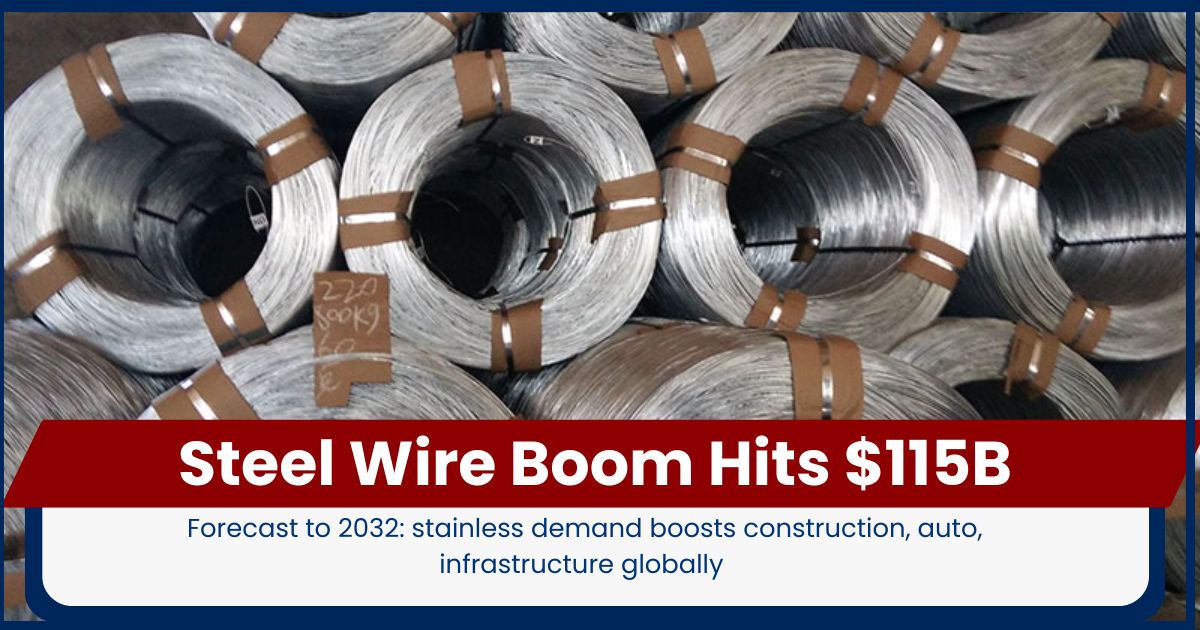
The global steel wire industry is heading into a strong growth phase, with the market expected to climb from over $68 billion in 2023 to nearly $115 billion by 2032. Demand is rising across core end-use sectors—construction, automotive, energy, aerospace, and consumer goods—where steel wire is essential for everything from reinforcement and fencing to springs, fasteners, cables, and industrial components.
A key growth engine is stainless steel wire, valued for corrosion resistance, strength, and long service life. Its role is expanding in the renewable energy build-out, including wind and solar installations that need high-tensile, weather-resistant materials. The shift toward electric vehicles is also boosting requirements for lightweight, heat-resistant, high-performance wire applications.
Still, the market faces familiar pressures: raw material price swings, competition from alternative materials in select applications, trade uncertainties, and tightening expectations on low-carbon manufacturing. For producers, the playbook is clear—invest in product innovation, strengthen sustainable production and recycling, and diversify export markets to reduce risk and capture the next wave of infrastructure-led demand.
Also Read : Tata Steel Falls 5% After Strong Q4, Analysts See Further Upside New US-UK Trade Pact Set to Reshape Cars, Steel, and Agriculture Sectors
SAIL’s net profit is up by 11% to ₹1,525 crore in Q4 FY25. Revenue is marginally higher at ₹2...
Business 29-May-2025
The Ministry of Heavy Industries has declared a new scheme to promote e-mobility in the country with...
Announcement 14-Mar-2024
Indian Biogas Association has suggested an investment of ₹30,000 crore for machinery and equipment n...
Mid Corporate 12-Feb-2024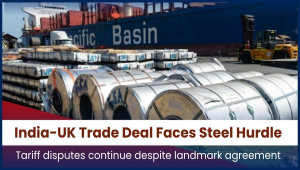
India and the United Kingdom are moving ahead with their landmark Free Trade Agreement (FTA), but di...
Europe 04-Jun-2026
JSW Energy, an Indian power company, has announced a 28% year-on-year increase in its net profit for...
Large Corporate 23-Jan-2024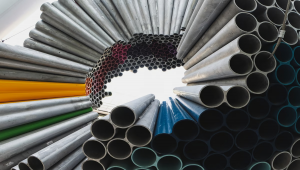
India, China, and Russia, together with five other World Trade Organisation (WTO) members, slammed t...
Ferrous 23-Apr-2024