


Gadchiroli pitched as Maharashtra’s future green steel hub India set to drive next global steel demand wave Italy crude steel output rises 3.1% in May Green steel progress remains slow worldwide
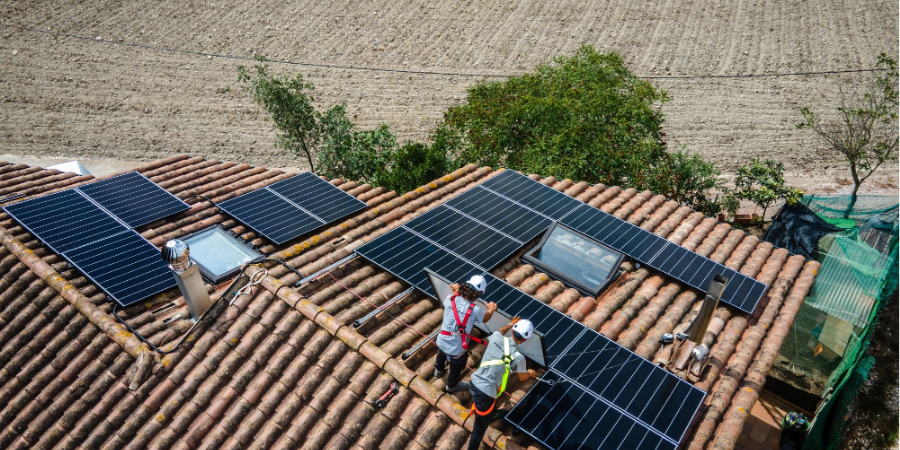
In sunny Spain, the enthusiasm for rooftop solar panels is fading. This change is due to a reduction in government subsidies and a shift in focus towards other renewable energy sources, such as wind and hydroelectric power. Despite the decrease in rooftop solar installations, Spain remains committed to its goal of generating 70% of its electricity from renewable sources by 2030.
One of the key reasons for the decline in rooftop solar installations is the reduction in government subsidies. In the past, generous subsidies made installing solar panels an attractive investment for homeowners. However, as these subsidies have been scaled back, the financial incentives for installing rooftop solar have diminished.
Another factor contributing to the decline in rooftop solar installations is the increasing popularity of other renewable energy sources. Wind and hydroelectric power, in particular, have seen significant growth in Spain in recent years. These sources of energy are often more cost-effective and easier to implement on a large scale compared to rooftop solar.
Despite the challenges facing rooftop solar, Spain remains optimistic about its renewable energy future. The country has set ambitious goals for reducing its carbon emissions and increasing its use of renewable energy. By focusing on a mix of renewable energy sources, including wind, hydroelectric, and solar power, Spain hopes to continue its transition towards a more sustainable energy system.
While the fever for rooftop solar may be cooling in sunny Spain, the country's commitment to renewable energy remains strong. By diversifying its renewable energy sources and investing in new technologies, Spain aims to remain a leader in the global transition to clean energy.
Also Read : EU Announces New Steel Protection Measures to Support Domestic Industry Zaporizhstal Modernizes APR-4 Rolled Steel Unit to Process Heavier Coils
Alstom Transport India Ltd started the production of the driverless metro trainsets for the Chennai...
Business 08-Feb-2024
India’s Bharat PetroResources Ltd, the exploration arm of refiner Bharat Petroleum Corp is loo...
Oil & Gas 08-Feb-2024
Vedanta Ltd. filed a lawsuit in the Supreme Court contesting the Goa Rural Improvement and Welfare C...
Large Corporate 26-Feb-2024
UK steelmakers decreased steel production by 6.5% in 2023 compared to 2022, to 5.6 million tonnes. T...
Ferrous 07-Feb-2024
Industry Leaders Call for Government Support to Drive Green Steel Transition India’s steel in...
Construction 22-Aug-2025
ArcelorMittal Nippon Steel to invest ₹2.6L Cr to expand capacity to 50 MTPA Investment includes ste...
Business 17-Apr-2025