


Gadchiroli pitched as Maharashtra’s future green steel hub India set to drive next global steel demand wave Italy crude steel output rises 3.1% in May Green steel progress remains slow worldwide
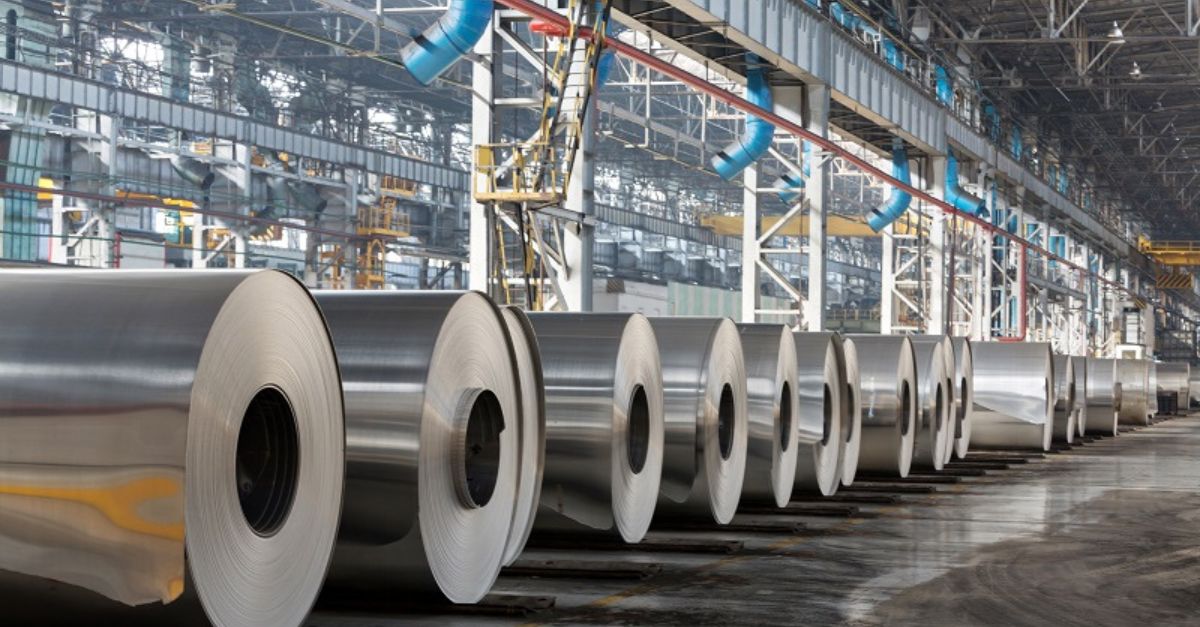
The United States' decision to impose additional taxes on imported aluminium and steel is expected to have a negative impact on exporting countries, including Vietnam. Industry experts warn that the increased tariffs will make it more difficult for these countries to compete in the U.S. market, potentially leading to decreased export volumes and reduced profit margins.
Vietnam, a major exporter of aluminium and steel products to the U.S., is likely to feel the effects as it faces stiffer competition and downward pressure on prices. “The new U.S. tariffs will challenge our export sector and may impact overall economic growth,” said Le Minh Hoang, an economist at the Vietnam Trade Research Institute.
To counter the impact, Vietnam and other affected countries are exploring market diversification strategies. This includes expanding into alternative markets such as the European Union, Southeast Asia, and the Middle East to reduce dependence on U.S. exports.
Trade experts emphasize the importance of diversifying markets and enhancing product competitiveness to minimize the impact of the tariffs. Governments are also urged to negotiate favorable trade agreements to support domestic industries.
As the U.S. moves forward with its tariff policies, affected countries are strategically adjusting their trade approaches to maintain economic stability and growth. Market diversification is expected to play a crucial role in sustaining the global aluminium and steel trade.
Also Read : NextPower Partners with Jinko Solar for Gigawatt-Scale Steel Supply US steelmakers anticipate steady demand in 2024
CRC prices decline due to paused auto sector restocking. Discounted sales emerge amid weak demand....
Business 19-May-2025
South Korea’s steel exports to the US dropped 19% YoY in March 2025. Trump-era tariffs of up...
Business 19-Apr-2025
Indian exports could have registered higher growth in January if the crisis in the Red Sea hadn't di...
Logistics 15-Feb-2024
India's Adani Green Energy is likely to raise $500 million by issuing dollar bonds in March, two off...
Large Corporate 14-Feb-2024
A new 60-kilometre railway line between Chola in Bulandshahr and Rundhi in Palwal is envisaged as a...
Construction 28-May-2024
Steel Authority of India Limited’s (SAIL) Rourkela Steel Plant has signed an agreement with a...
Business 21-Feb-2025