


Gadchiroli pitched as Maharashtra’s future green steel hub India set to drive next global steel demand wave Italy crude steel output rises 3.1% in May Green steel progress remains slow worldwide
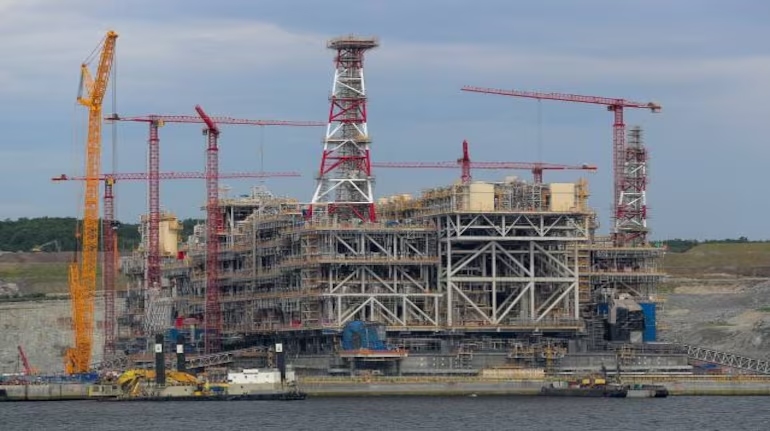
Three tankers carrying Russian Sokol oil trapped at sea owing to payment problems and Western sanctions have begun to travel towards China and India, according to Kpler and LSEG data released on Monday.
Since the West placed sanctions on Moscow because of its military operations in Ukraine, the backlog of Sokol tankers has grown to be the primary source of interruptions to Russia's oil trade. The previous three months have seen more than 10 million barrels of Sokol float in seaborne storage due to payment issues and Western sanctions against shipping companies and the vessels that transport the petroleum.
The three vessels – NS Century, NS Commander and Nellis – sitting at sea since November – have finally moved, according to the data and traders. Russian state oil major Rosneft – the main exporter of the Sokol grade – did not respond to Reuters queries on Sokol oil sales.
NS Century and Nellis are carrying a combined 2.2 million barrels of Sokol to Chinese ports, according to data analytics firm Kpler. Both tankers are subject to fresh U.S. sanctions for breaching a $60 per barrel price cap on Russian oil. Two trading sources told Reuters the buyers were private Chinese refiners. “China might be the solution to the problem (with Sokol sales) as at least two tankers that have been idling since November started moving towards Chinese territorial waters,” Viktor Katona, head of crude analysis at Kpler, said.
The Gabon-flagged tanker NS Commander, not subject to U.S. sanctions, with some 600,000 barrels of Sokol oil onboard was heading towards Jamnagar port in India, according to Kpler and LSEG data. Some 7.5 million barrels of Sokol remained stuck at sea as of Monday, according to Kpler, down from over 10 million barrels two weeks earlier.
Also Read : Crude oil futures decline on low demand India urges to have 100 GW of nuclear power by 2024
India’s Steel Ambitions Hit by Coking Coal and Scrap Shortages India’s steel in...
Business 27-Jun-2025
NMDC posts 15% rise in iron ore production in April 2025. Total output stands at 4.48 MT, with sale...
Business 05-May-2025
The proposed trade agreement between India and the UK has reportedly been shelved for the upcoming f...
Business 19-Mar-2024
Europe acquired 3.3 million tonnes (MT) of Indian steel exports in FY24, rising 65% year over year a...
Ferrous 02-May-2024
Tata Steel to Commission UK Electric Arc Furnace by 2027 Tata Steel has announced plans to commissi...
Large Corporate 09-Jun-2025
The Andhra Pradesh government is gearing up to introduce a comprehensive action plan aimed at streng...
Announcement 01-Apr-2025