


Gadchiroli pitched as Maharashtra’s future green steel hub India set to drive next global steel demand wave Italy crude steel output rises 3.1% in May Green steel progress remains slow worldwide
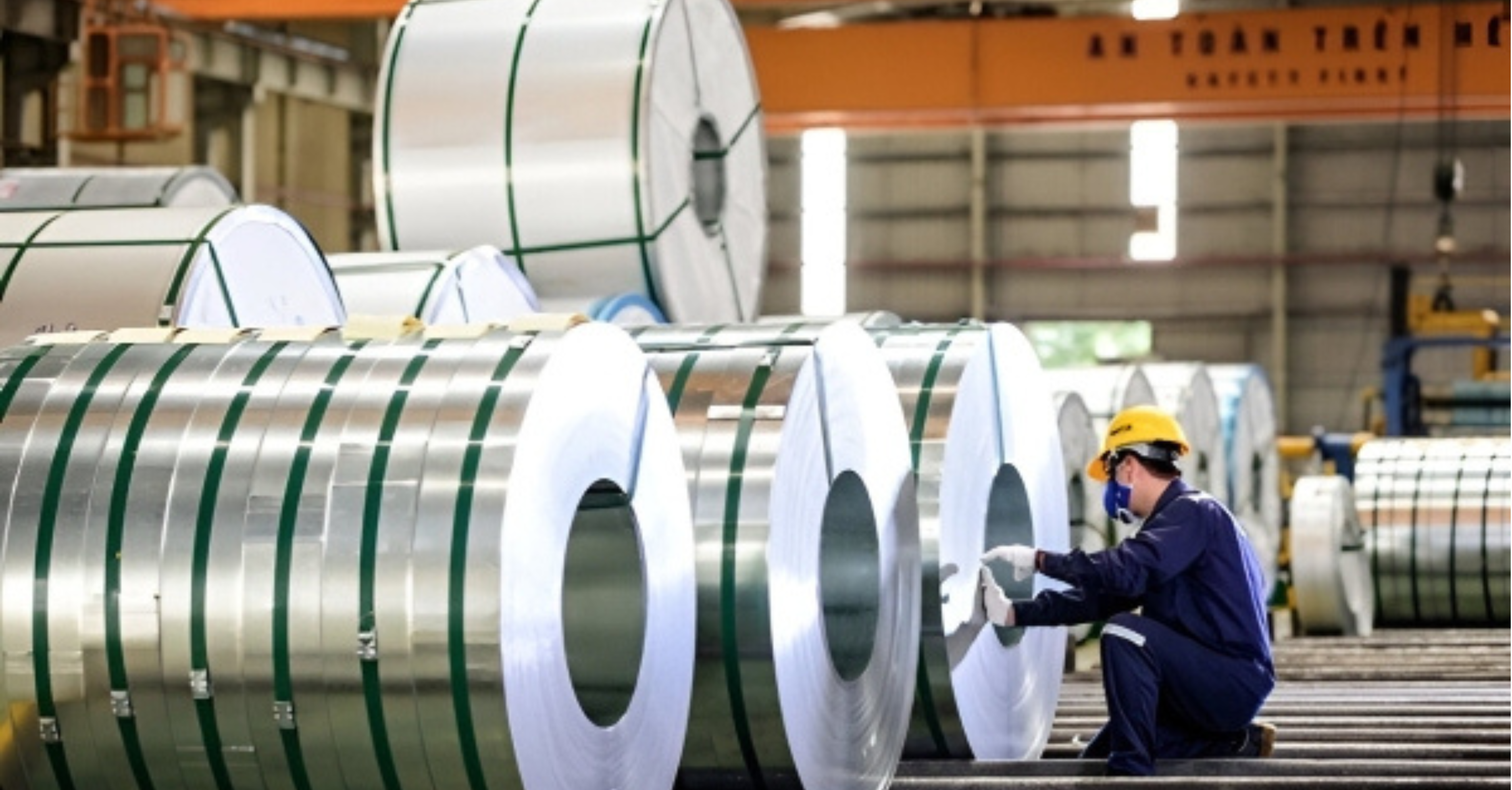
The European Union's implementation of the Carbon Border Adjustment Mechanism (CBAM) poses significant challenges for India's steel industry. CBAM, designed to impose tariffs on carbon-intensive imports like steel and cement, aims to level the playing field between EU producers adhering to strict environmental standards and foreign exporters. This measure could substantially impact Indian steelmakers, as the EU remains a key export destination.
Industry experts predict that CBAM could lead to increased costs for Indian steel exports, potentially reducing their competitiveness in the European market. A report by Wood Mackenzie suggests that the cost of Indian steel exports to the EU could rise by 56% by 2034 due to CBAM.
In response, Indian authorities are engaging in dialogues with EU counterparts to mitigate these impacts. Concurrently, Indian steel producers are exploring strategies to reduce carbon emissions, including adopting cleaner technologies and enhancing energy efficiency, to align with global sustainability standards and maintain their foothold in international markets.
As the global emphasis on environmental responsibility intensifies, India's steel industry faces the dual challenge of adhering to international carbon regulations while sustaining its export competitiveness.
Also Read : Centre cancels auction of 13 critical mineral blocks Govt greenlights construction of 84km road to connect iron ore mines to steel plant
In line with India’s commitment to strengthening energy security and furthering sustainable de...
Notification 23-Feb-2024
Aether Industries plans to become more sustainable by commissioning a 15 MW solar power project (Aut...
Mid Corporate 07-Feb-2024
India's state-run oil refiners are avoiding contracted Russian crude delivery as the once-thriving t...
Oil & Gas 06-Mar-2024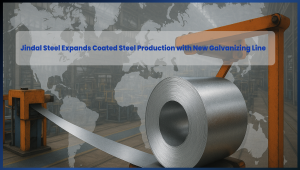
Jindal Steel Expands Coated Steel Production with New Galvanizing Line Jindal Steel & Power (JS...
Large Corporate 01-Jul-2025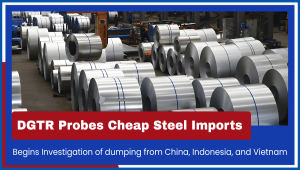
The Directorate General of Trade Remedies (DGTR) has launched an anti-dumping investigation into imp...
India 04-Oct-2025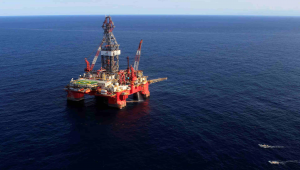
Union Minister Pralhad Joshi stated that the first tranche of offshore minerals auctions is expected...
Raw Material 05-Mar-2024