


Gadchiroli pitched as Maharashtra’s future green steel hub India set to drive next global steel demand wave Italy crude steel output rises 3.1% in May Green steel progress remains slow worldwide
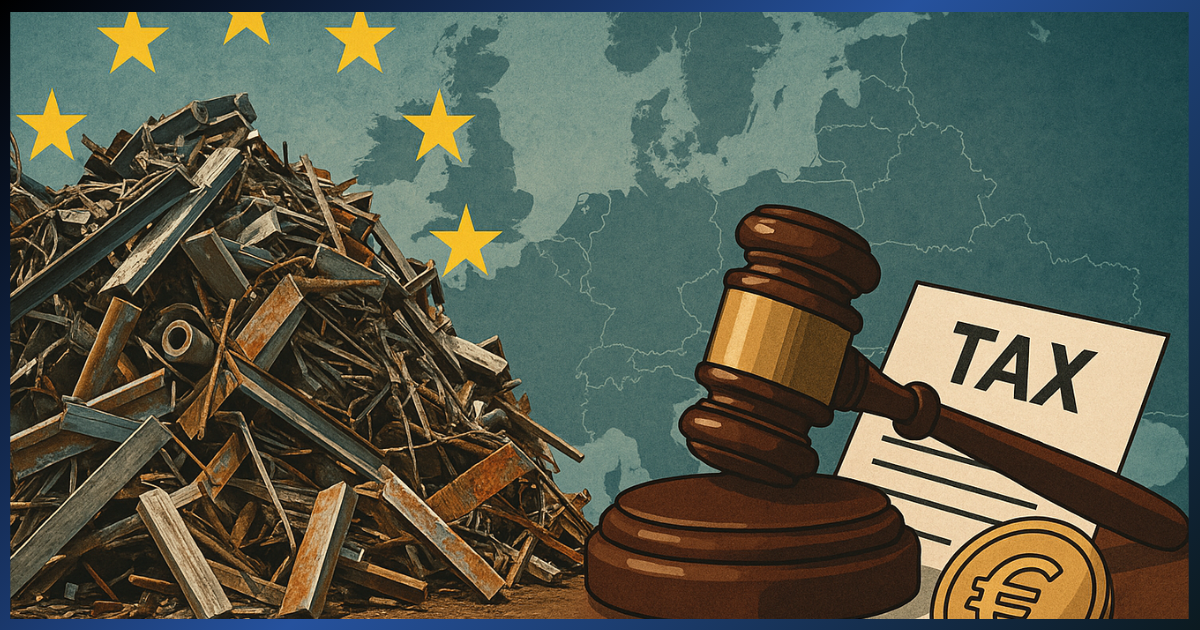
In an effort to fortify its circular economy and strengthen critical supply chains, the European Union has called for tougher export taxes on steel and aluminium scrap. Officials say this step will keep these materials within the EU, helping local recyclers and manufacturers thrive.
Why this matters:
Supports green goals: Keeping scrap within the EU cuts down on transport emissions and bolsters recycling—a key pillar of the bloc’s sustainability targets.
Secures supply chains: Amid global shortages and rising raw material prices, retaining scrap locally provides a steady input to industries.
Boosts competitiveness: EU recyclers and steelmakers gain a financial edge, leading to innovation and investment in clean technologies.
The proposal comes amid geopolitical shifts that have disrupted trade, emphasizing the need for stronger internal resource resilience. It also aligns with expectations from the European Parliament and environmental groups pushing for expanded "waste hierarchy" rules—prioritizing recycling over landfilling or exporting.
Still, some industry stakeholders warn that export taxes could stoke international trade tension and prompt price hikes. They urge a balanced approach to avoid unintended consequences.
As the EU advances draft regulations, negotiations are anticipated among its member states and Parliament. The outcome could significantly reshape how Europe handles scrap metal, underpinning its sustainability strategy and industrial self-reliance.
Also Read : Turkey and EU Deepen CBAM Talks to Protect Trade Flows and Supply Chains Ukraine Imports 65.3k Tons of Flat-Rolled Steel in January
Odisha produced 41.9% of total mineral production (excluding fuel oil and atomic minerals) in the co...
Raw Material 29-Jul-2024
Building a home is getting costlier as the West Asia crisis disrupts supply chains and pushes...
Asia 23-Mar-2026
The production from captive and commercial mines, which accounted for 10% of India’s domestic...
Raw Material 23-Feb-2024
India Proposes 3-Year Safeguard Duty on Steel Imports India’s Directorate General of Trade Re...
India 19-Aug-2025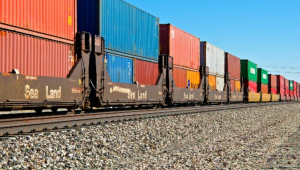
Indian Railways is considering plans to develop three new specialised goods corridors, representing...
Construction 08-Apr-2024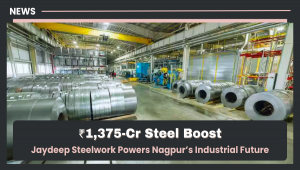
Jaydeep Steelwork India Pvt Ltd has signed an MoU with the Maharashtra government to set up an integ...
India 20-Sep-2025