


Gadchiroli pitched as Maharashtra’s future green steel hub India set to drive next global steel demand wave Italy crude steel output rises 3.1% in May Green steel progress remains slow worldwide
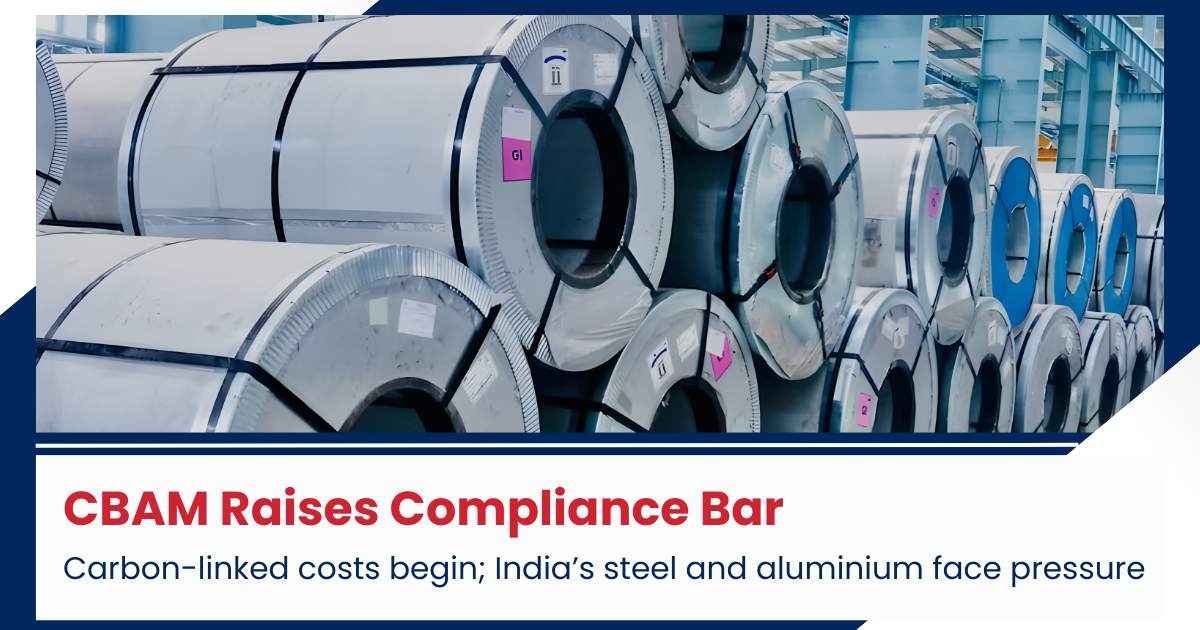
A GTRI note warns that India’s steel and aluminium exports to the EU could face a sharper competitiveness test from January 1, 2026, as the EU’s Carbon Border Adjustment Mechanism (CBAM) moves into its definitive regime. While the levy is paid by EU importers, GTRI expects the cost to be pushed back to Indian suppliers through tighter price negotiations, sourcing norms and margin compression potentially forcing 15–22% price reductions to retain EU business.
The report highlights that production routes will matter: BF–BOF steel would attract higher carbon exposure than DRI/EAF routes, while aluminium’s CBAM burden will depend heavily on the power mix (coal-fired power increasing exposure).
A key risk is data readiness, especially for MSMEs. If exporters cannot provide verified, plant-level emissions data, EU authorities may apply default values that can inflate the assessed carbon footprint and cost, even if actual emissions are lower. From 2026, GTRI notes independent verification is required, referencing EU-recognised or ISO 14065–compliant verifiers, and contracts may increasingly include CBAM pass-through and verification clauses.
Also Read : Thyssenkrupp Braces for Heavy 2026 Loss on Steel Restructuring ROTOBOOST and Baowu Unite to Industrialize Methane Pyrolysis for Green Steel
Maharashtra Deputy Chief Minister Devendra Fadnavis announced that Gadchiroli district will be devel...
Construction 16-Oct-2025
According to NTPC it will begin commercial operations of second unit of its North Karanpura Super Th...
Mid Corporate 18-Mar-2024
Industry Leaders Call for Government Support to Drive Green Steel Transition India’s steel in...
Construction 22-Aug-2025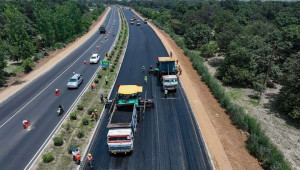
Union Minister for Road Transport and Highways Nitin Gadkari Inaugurated and laid the foundation sto...
Announcement 23-Feb-2024
MOIL lowers all grades of manganese ore prices for June.Price&nbs...
Business 03-Jun-2025
Gensol Engineering Ltd. (GEL) has reported a consolidated net profit of ₹12.31 crore for the quarter...
Mid Corporate 23-Jan-2024