


Gadchiroli pitched as Maharashtra’s future green steel hub India set to drive next global steel demand wave Italy crude steel output rises 3.1% in May Green steel progress remains slow worldwide
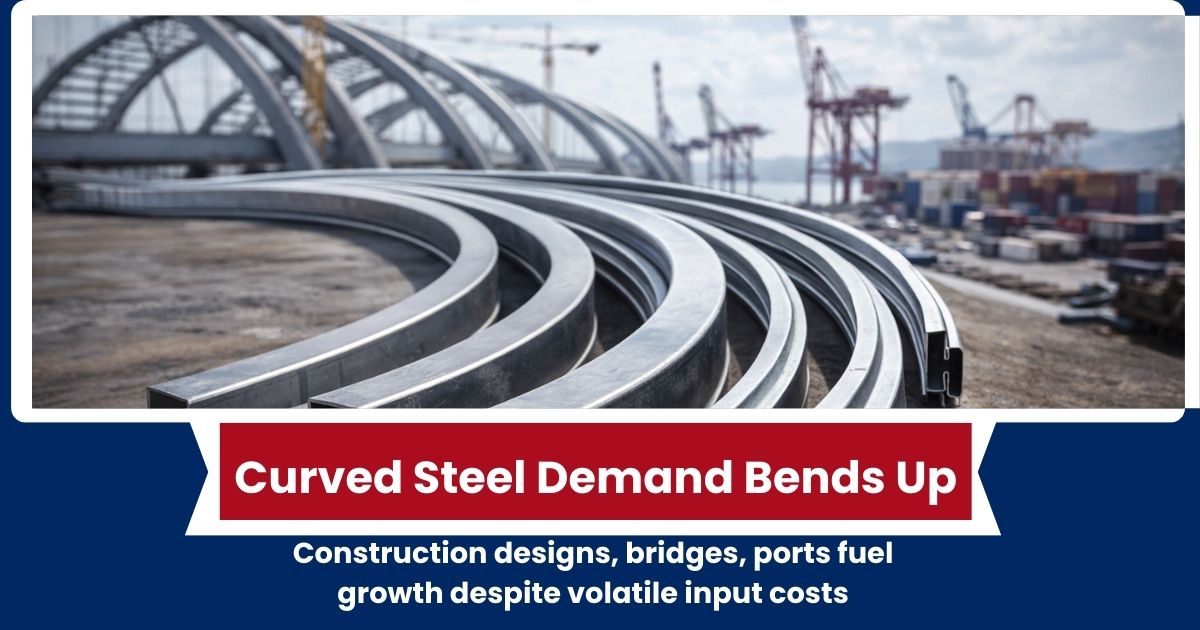
The global curved steel market is gaining momentum as builders and engineers increasingly use curved sections to deliver stronger, lighter, and more visually striking structures. Market estimates place the sector at about $3.8 billion in 2022, with projections rising to roughly $5.7 billion by 2032, supported by steady growth across the decade.
Demand is being powered by large-scale construction and infrastructure activity—especially bridges, ports, underground projects, stadiums, and commercial buildings. Architects are also leaning into modern, curved forms that require precision-bent steel in multiple profiles, including beams, channels, pipes, and tubes.
On the production side, bending methods such as induction bending, cold bending, rotary draw/compression bending, and point bending are helping fabricators meet tighter tolerances and faster project timelines.However, the market isn’t without challenges. Fluctuating raw material prices can pressure margins and impact project costs, especially for fabricators working on fixed-price contracts.Overall, curved steel is expected to remain a high-utility material choice for projects where design flexibility, structural performance, and long-term durability matter most.
Also Read : Neelachal Ispat Nigam Achieves ₹1,000 Cr EBITDA in FY25 India’s Steel Capacity Hits 200 MTPA: A Major Milestone

National Pension System 2024: The Centre may extend the benefits of the National Pension System (NPS...
Announcement 11-Jan-2024
JSW Steel Faces ₹6,155 Cr Claim from BPSL Lenders Over Delayed Resolution Plan Lenders to Bhushan P...
Large Corporate 08-Aug-2025
Australia's key iron ore producers have allied with BlueScope, targeting the reduction of carbon emi...
Asia 09-Feb-2024
The state government has granted approval for the development of an 84-kilometre greenfield road lin...
Announcement 08-Feb-2024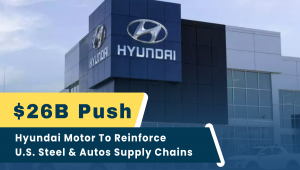
Hyundai Motor Group to Invest $26 Billion in U.S. Steel and Auto Supply Chains Hyundai Motor Group...
India 27-Aug-2025
Tower Semiconductor from Israel has submitted a proposal to the Indian government to construct an $8...
Asia 12-Feb-2024